KOSHER RECIPES FOR GLUTEN-FREE LIVING


Showing posts with label products. Show all posts

Friday, March 26, 2010

Gluten-Free Products For Passover 2010 - Part II - Baked Goods

This is a continuation of Gluten-Free Products for Passover: Part 1.

Ah yes, there's more. Much more. Here are but a few of the other gluten-free Passover items I bought today:


Paskesz's Pesach Crumbs are "bread" crumbs made of nothing but potato starch, eggs and shortening. You can use them to bread chicken cutlets for baking or frying, which is what I plan to do with them. I'm sure they'd be great on fish, or as a filler for meatballs, too.


Sandwich cookies filled with apricot jam... Unfortunately I didn't realize they were sugar-free until I got them home. Oh, well! Hopefully they'll still be good. Oberlanders makes gluten-free ladyfingers I've enjoyed in the past.


An apricot roll cake from Mendy's bakery. I've had something similar before and it was quite tasty, and much more moist than most Pesach baked goods, thanks to the filling...


Zemer's finger cookies with raspberry jam inside, dipped in chocolate. I grew up eating (non-Pesach) cookies like this so they make me happy.


Schick's makes some of the best Pesach baked goods. They use not just potato starch but also almond meal and almond paste in some of their items. These cookies are an assortment, and I've had them before and enjoyed every bite. I especially like the jam-filled sandwich cookies.

And no, I won't be eating these baked goods all myself (though I could). Several are to take to our seder hosts, for unlike last year we're not hosting our own seders this year... Although I love cooking for other people, various stresses right now make the thought of having seders at other peoples' houses a huge relief indeed.

Other items I bought included cake mixes (Leiber's is good, but I wasn't impressed by the Haddar brand), hot dogs, and my childhood favorite... raspberry jelly rings!

Keep a few things in mind when you buy gluten-free Passover goods. First of all, non-gebrokts does mean no gluten or grain ingredients, but it does not mean that there was no cross-contamination or that the equipment was cleaned thoroughly. So it's best to check with each company unless there is a clear statement on the packaging. Also, be careful because many of the products I listed in my posts can also be found in non-gluten-free versions containing matzo meal (blintzes, for example). More about non-gebrokts and why Passover is a "gluten-free goldmine" can be found in a guest post from a few years ago here, which is still quite relevant.

See more gluten-free Passover recipes and product information here.

Chag sameach!

Gluten-Free Products For Passover 2010 - Part I - Including Gluten-Free Matzo & More

[This is part one of a two-part series. See Part II here.]

I am in that part of the semester where midterms commingle with final projects and papers until the whole last month of school feels like one long midterm. In the midst of it all comes Pesach (Passover)! And as many of you have noticed, and e-mailed me about, I haven't posted new Pesach recipes or matzo information yet this year. Some Jews finished their Passover meal planning a month or more ago (if you fall into this category, I envy your motivation & organization) and have already done all their shopping. Some Jews will be at the store Monday afternoon buying their groceries (I'm downright motivated compared to you all, as I got my shopping done today!. And for the non-Jews? Well, you lucky ducks have the whole 8 days and beyond as an opportunity to buy lots of gluten-free products not available the rest of the year, but without the stress of having to plan seders!

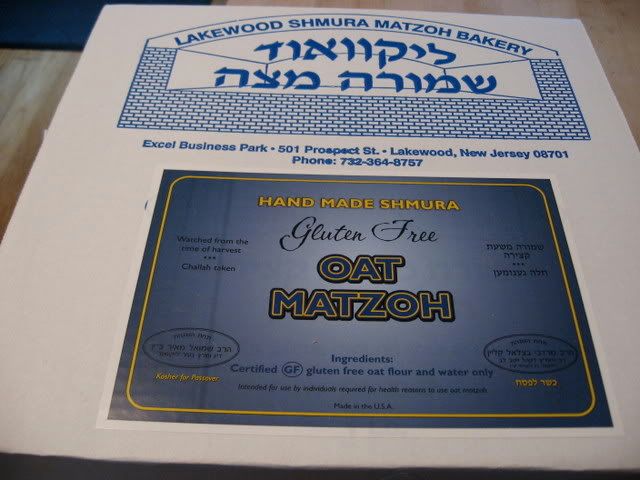
This year I'll be using certified gluten-free matzo from Lakewood Matzo Bakery, as I have blogged about in years past. The owner is kind enough to send me samples each year to review on this blog, and I like supporting a business that's in my region. The exciting thing is this year they have machine-made shmura matzo in addition to the handmade round shmura matzo. Why is this exciting? Well, I'm not sure yet but I think it may be a bit thinner in addition to looking more like the matzo I grew up with. Here are some pictures of the boxes:


I like Lakewood's matzo more than the other brand available (see brand and ordering info here) and it's cheaper, but because I find that gluten-free oat matzo tastes pretty close to cardboard, I only eat as much as is halachically required (required according to Jewish law)... the rest of the matzo I turn into tasty matzo pizza in the oven.

As for other gluten-free Pesach goods, most years I avoid them because they tend to be loaded with trans fats, preservatives, artificial flavors, etc. But this year I am on a very restrictive diet - for medical reasons I must avoid not just gluten but any high-fiber foods. For this reason I have a heter (permission) to eat kitniyos. I don't normally get permission to eat kitniyos because being gluten-free isn't all that restrictive on Passover... but trying to avoid most vegetables and fruits certainly is! In addition, the highly processed, potato-starch- or tapioca-starch-based Passover products are actually great for me this year because they're mostly very low-fiber. So I spent a lot of money on foods I would normally never eat. Here is a sampling of what I found at my local ShopRite (Paramus, NJ), Fairway (also Paramus, NJ) and Glatt Express (Teaneck, NJ.) Keep in mind a lot of these foods will be available until the 8-day festival of Passover is over, and some stores will even put them on sale afterwards.

One of the more exciting finds:


That's right, that's gluten-free chow mein noodles... Those thick, crispy, fried noodles that are served as an appetizer at Chinese restaurants! They aren't quite as tasty as the gluten-y kind, but they're still nice and crispy, salty and greasy... and taste great dipped in duck sauce. Apparently I liked them enough that I couldn't wait until I took a photo to open them. This year is the first year they're being sold, and they're being manufactured by several brands including Paskesz and Leiber's.


That's Pao de Quiejo (Brazilian tapioca-cheese bread), now kosher for Passover! There's no consumer brand of kosher l'pesach tapioca starch but there is a commercial version that more and more manufacturers are using, which is opening doors to awesome products like this one, which allow us to eat cheesy bread-y rolls during the holiday. They are gluten-free and I bought a few packages so I can enjoy them during the year.


Hoo Lachmu flats are expensive, and not the most tastiest things ever - They taste pretty potato-y to me. They are chewy, and not particularly bready. But they serve as a flatbread surface that you can top with tuna salad, or butter and jelly, or even turn into french toast (supposedly). So I bought a box.


Kosher gluten-free chicken nuggets? Yes please! Were they madly expensive? Yes. Do I think they'll be worth it? Absolutely. I get to relive my memories of my treyf (non-kosher) and pre-gluten-sensitivity days when chicken nuggets at Burger King were one of my favorite treats. I doubt they'll be as good, but with enough BBQ sauce they can't be too terrible.


Clockwise from upper left, that's another brand of Chow Mein noodles, Gefen's Cinnamon Cookies (which I really like, especially dipped in milk), two types of blintzes (make sure you look for ones that say "non-gebrokts" as that means they don't contain matzo meal), and three types of Osem cakes that are shelf-stable and will stay good for a long time in the cupboard. Blintzes are one of my favorite things to stock up on at Pesach because they're so good cooked in butter on the stovetop. I prefer the cheese ones, which I eat with fresh strawberries or a spoonful of good jam.

Gosh, there are more products and photos than I can fit in one post. Click here for Part II!

See more gluten-free Passover recipes and product information here.

Tuesday, March 31, 2009

To-Die-For Passover Banana Nut Cake, and a Review of A Kosher Gluten-Free Passover Cookbook


I couldn't have been more excited when I received a copy of Tamar Ansh's new cookbook from Targum Press. They were kind enough to ship me Pesach - Anything's Possible: Over 450 Non-Gebrochts, Gluten-Free & Wheat Free Recipes because they know this blog focuses on cuisine that is both kosher and gluten-free. This big, thick, hardcover book is the first widely distributed cookbook that I've seen that has advertised itself directly to the gluten-free community as well as to any Jewish cook looking for Passover fare. Unlike much Passover cooking, all of the recipes are gluten-free and non-gebrokts, meaning the book does not include recipes such as matzo balls or matzo meal cakes which involve exposing matzo to water. Some Ashkenazi Jews, mostly Hasidim, observe a tradition of only eating dry matzo during Pesach so their other Pesach food is all gluten-free.

Pesach - Anything's Possible is a kosher gluten-free cookbook full of beautiful, glossy full-color photographs. One of my pet peeves is cookbooks without photographs - And this cookbook does not disappoint in that department! It even has step-by-step instructional photos for some of the recipes. I don't like reviewing cookbooks without trying a recipe. I never give positive reviews to books or products unless I feel like they deserve it. So I chose a recipe to make for last shabbos: Banana Nut Cake.


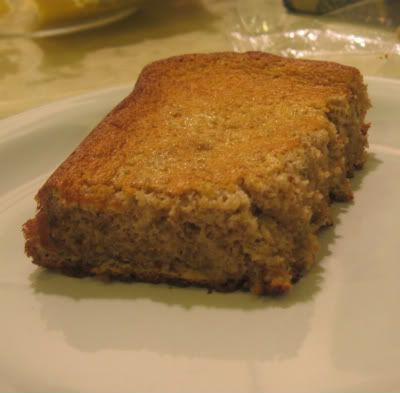
Those who tried the cake could not believe what they were tasting - It was perfectly moist, even the next day. It was golden brown on top, with no burned spots. It had a tender, fine crumb. It wasn't crumbly, but instead held together quite well. It had just the right amount of sweetness, just the right amount of banana flavor, and the perfect amount of nuttiness. It had a consistency more like a rich, moist, fluffy cake than the wetter, more dense traditional banana bread. I am not exaggerating when I say this was one of the best gluten-free cakes I have ever eaten! Not the best Passover cake, or the best pareve cake, or the best banana bread... But one of the best cakes, period. If you make this for friends or family they won't believe it's gluten-free, let alone a pareve Pesach cake. Pareve (dairy-free) Pesach cakes are notorious for being dry. This cake puts them all to shame.

Other recipes in the book include Orange Sponge Cake, "Breaded" Cutlets, Chicken Blintzes, Chocolate Crinkle Cookies, Mexican Pepper Bake, Creamsicle Roll, Best Gefilte Fish Ever, Crepes, Butternut Squash Kugel, Sweet Potato Puffs, Shepherd's Pie, Zucchini Cheese Potato Latkes, Kneidlach, Lukshen (noodles) and more... 350 recipes in total.

Targum Press has been kind enough to give me permission to post the fabulous Banana Cake recipe here on my blog, so that my readers can enjoy this recipe for Passover ... or any time. To order the cookbook click here.


BANANA NUT CAKE


from "Pesach - Anything's Possible" by Tamar Ansh
Posted with permission from Targum Press.


[Gluten-Free / Pareve / Dairy-Free / Soy-Free ]

10 eggs, separated
1 1/4 cups sugar
3-4 ripe bananas*
3/4 cup coarsely ground walnuts or pecans**
3/4 cup potato starch

Preheat the oven to 350 F / 180 C.

Beat the egg whites until they are stiff. In a bowl, beat the yolks together with the sugar, bananas, nuts and potato starch. Carefully fold the egg whites into the yolk mixture until it is well blended. Pour the batter into a greased tube pan***. Bake for 35-40 minutes, until the edges start to spring away slightly from the side of the pan. Remove the cake from the oven and let it cook completely. Remove the cake from the pan. If it seems moist to you, let it sit uncovered for an hour or so before you wrap it up.

*I used 4 ripe bananas that had been frozen in their skins. I defrosted them and then they slid right out of their skins, already soft enough to blended in with the batter.

**I actually used 1/2 cup walnut meal (finely ground walnuts) and about 1/2 cup of coarsely chopped walnuts, and I'll probably do that again next time I make this recipe

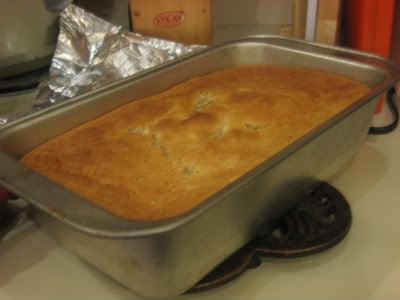
***I recommend using a silicone pan if you have one. I didn't have a tube pan so I used an 8x8 silicone brownie pan and a standard-sized tin bread ban.


Other books by Targum Press include:

The Kids Kosher Cookbook

Classic Kosher Cooking: Simply Delicious

Guidelines to Candlelighting and Separating Challah

Guidelines to Pesach

Tuesday, March 17, 2009

How to Order Gluten-Free Matzo for Passover 2009

"This is the (gluten-free) bread of oppression that
our ancestors would have eaten in the land of Egypt
if they had been celiacs."

I've been getting so many e-mails about ordering gluten-free matzo that I realized it was high time I make a post about how to get your hands on some gluten-free matzo for Pesach (Passover) 2009.

Keep in mind that for matzo to be considered matzo by halacha (Jewish law) it needs to be made of one of the five grains. The only one of those grains that is (or can be) gluten-free is oats. Historically oats have been unsafe for celiacs due to being cross-contaminated with wheat. Fortunately, today we have certified gluten-free oats, which are grown and processed separately from wheat to eliminate cross-contamination, and then tested by food allergy testing labs to confirm their gluten-free status. So a truly gluten-free oat matzo is now possible. That said, there are some people with celiac disease who simply cannot digest oats, even gluten-free ones. If you are one of those people who has celiac disease and cannot digest oats I strongly suggest you speak with a competent rabbi. In fact, if you're an observant Jew it wouldn't hurt to consult with a rabbi regardless... Since I hear that there are some rabbis who don't accept oat matzo for celiacs. But for the rest of us, there's a great (if very pricy) option out there.

Starting last year, there are actually two sources for gluten-free matzo, not just one! I posted last year about Lakewood Matzoh Bakery which had begun making certified gluten-free oat matzo for the first time. They were kind enough to send me some of this year's batch to sample. It's true that it tastes nothing like the matzo I grew up eating and I'll personally never be a big fan of the burnt taste of shmura matzo (regardless of its gluten status). However, I'm excited because Lakewood Matzoh Bakery's matzo is quite improved from last year, due to being rolled out more thinly. This will make it more enjoyable for a lot of people, myself included. I also like supporting local-ish businesses when I can. In addition, Lakewood's price is significantly lower than the price offered by Kosher.com and other vendors for the imported UK brand Gluten-Free Oat Matzo. That makes Lakewood the winner in my home.

The one item that the other company, Gluten-Free Oat Matzos, sells that Lakewood doesn't is gluten-free matzo meal. It's ridiculously expensive but makes killer matzo balls using my dad's recipe! When I bought it a few years ago I called the matzo balls I made "million-dollar matzo balls" because I figured out they cost a couple of bucks a peace. A link to buying gluten-free matzo meal can be found below.

Did I mention that oat matzo is totally delicious turned into matzo pizza? Just spread tomato sauce and mozzarella on it and bake until the cheese is melted and edges of the matzo are crisp. Mmm... just call it "Bread of Oppression Pizza."

WHERE TO BUY GLUTEN-FREE MATZO

Here are links for ordering gluten-free matzo online or finding out where it's retailed locally near you. It's popping up in more and more local kosher groceries these days, but many places find they are sold out quickly so be sure to inquire about it at your local grocery now.

Gluten-Free Matzo from Lakewood Matzoh Bakery


Gluten-free oat matzo made in Lakewood, NJ. Shmura (handmade). $23 a box. Shipping available. Order online at the link above or inquire about where it's sold near you. I've seen it at shops in the NY/NJ area.

Gluten-Free Matzo from Rabbi Kestenbaum's Gluten Free Oat Matzos


Gluten-free oat matzo made in the UK. To buy online, go to Kosher.com. They offer machine-made matzo at $39.95 a box, handmade matzo for $39.95 a box and gluten-free matzo meal for $19.99 per box. Find out where to buy it locally here. (Available internationally).

Wednesday, December 31, 2008

Moroccan Cauliflower Recipe + A "Specific Carbohydrate Diet" Cookbook Review


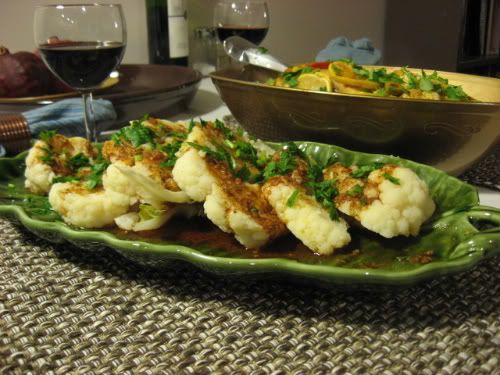
[Photo: My New Year's Eve Dinner Table]

We decided to spend a relaxed New Year's Eve at home, with a movie, a bottle of wine, and a home-cooked Moroccan feast for two. What better opportunity to crack open some cookbooks I haven't yet used? Seeing as my partner has re-started the South Beach Diet and I'm doing my own low-glycemic food thang, the first book I went to was Eat Well Feel Well by Kendall Conrad. This is a book of recipes that comply with the Specific Carbohydrate Diet.

One of the perks of being a food blogger is having publishers send you new cookbooks to look at. Unfortunately I am way behind on cookbook reviews, so many months after receiving this book from Clarkson Potter Publishers, I'm finally getting around to using it, perusing it, and sharing my feedback here. I was won over by the beautiful color photographs in the center of the book. I must admit I have a serious aversion to cookbooks that don't have full-color photos, so the photo section of this book was a real plus. The Specific Carbohydrate Diet is used to treat sensitive tummies as well as guts that have been damaged by Crohn's disease, ulcerative colitis, celiac disease, irritable bowel syndrome, diverticulities, etc. Celiacs and gluten intolerant folks who eat a strictly gluten-free diet usually find that their guts eventually heal and are generally able to tolerate any non-gluten foods after the healing period is over. However, many of us have multiple food allergies or other digestive disorders. Others find that they continue to be sensitive to a variety of foods and have trouble with digestion long after they are gluten-free, due to damage to their digestive tract. A small number of people find that they simply cannot digest grains at all, and that non-gluten grains make them almost as ill as gluten-containing grains. This cookbook is based on the diet described in the book Breaking the Vicious Cycle: Intestinal Healing Through Diet by Elaine Gottschall, which is the bible of the Specific Carbohydrate Diet (SCD). The diet eliminates "virtually all starch and complex sugars" and features a balance of "smart carbohydrates, good proteins and fats, and essential vitamins and minerals." It is grain-free. No unfermented / un-aged dairy products are allowed so the diet is lighter on dairy than most. This way of eating has helped many people recover from life-threatening digestive disorders.

The difficulty of digesting grains has been explored in other books over the years, such as Against the Grain by Melissa Smith. I don't personally feel a need to eat this way, but many if not most of these recipes are also low-glycemic and low-carbohydrate and therefore fit well into my household's meal plans. Best of all they don't reflect deprivation, but rather an enjoyment of the plentiful healthy gut-friendly foods available at the farmer's market or grocery store. There are grain-free recipes for everything from grain-free Cashew Butter Tortillas to Peach Pocket Pies, and from Shepherd's Pie with Mashed Cauliflower to Tom Yum Kai with Coconut Milk & Lemongrass Infusion.

Tonight I tried my first recipe from the book, which was Moroccan Cauliflower. While it was the photo that first caught my eye, I was also intrigued by the unusual (or at least new to me) method used for cooking cauliflower. Although my favorite method for cooking cauliflower is roasting it, I think this will be my new cauliflower technique for when times is short or I'm trying to reduce the fat in a dish. By steaming the entire head of cauliflower without cutting it first, it avoids all the wasted little cauliflower bits that litter the cutting board when you try to cut a raw cauliflower into florets, because it's far easier and neater to slice a whole head of cauliflower when it's cooked. The presentation of this dish is lovely, and it might even convince one of those notorious cauliflower haters to reconsider.

Here is my adaptation of the recipe from Eat Well Feel Well. I hope you enjoy it, and have a fabulous, healthy and safe New Year!


MOROCCAN CAULIFLOWER

Adapted from Eat Well Feel Well by Kendall Conrad.


[ Gluten-Free / Dairy-Free / Pareve / Vegan / Soy-Free ]

1 medium head cauliflower
1 tsp paprika
1 tsp ground cumin
1/8 tsp ground cinnamon
1/4 tsp ground ginger
1/4 cup extra-virgin olive oil
2 Tbsp freshly squeezed lemon juice
2 cloves garlic, crushed (use frozen garlic if raw garlic is too sharp for you)
1 tsp fine sea salt or table salt
1 tsp freshly ground black pepper
1/4 cup chopped flat-leaf parsley

Trim the stalk of the cauliflower to the base, removing all leaves except the smaller green leaves closest to the head. Fill a pot with half an inch of water, place whole head of cauliflower in it (stem side down), and cover with a lid. Simmer on medium heat for 10-20 minutes (will vary depending on size of head, I had to simmer a medium head for about 15) until the desired tenderness. Remove from pot immediately, transferring to a cutting board or serving platter.

While cooking the cauliflower, whisk together the oil, lemon juice, garlic, salt and pepper. Lightly toast the ginger, paprika, cumin and cinnamon over medium-low heat in a small pan for 3-5 minutes or until fragrant. Remove from heat and whisk into the liquid mixture, combining thoroughly.

Cut the cauliflower in 1/2-inch thick slices, transfer to a serving platter and drizzle all of the spiced oil over the slices. Sprinkle with the chopped parsley and serve hot or warm.

OTHER CAULIFLOWER RECIPES:

NOTE: Some of the links in this post are affiliate links, which means if you click through the link and purchase something from the site I will receive a small commission that helps me pay for the costs incurred from running this website.

Sunday, September 14, 2008

The Quest for the Best Gluten-Free Cholent

rival crock-pot versaware pro crockpot slow-cooker

This shabbos, I finally found one of the holy grails of kosher gluten-free cooking - A fantastic gluten-free cholent. I crafted this Ashkenazi/Sephardi fusion cholent by accident, really. Cholent is a stew that cooks slowly in a crockpot during Shabbos (the Jewish sabbath, during which observant Jews do not light or extinguish fires or electricity) without being stirred or having the heat adjusted in any way. It's the ultimate in low-maintenance cooking, since you just add a bunch of ingredients to the crockpot and let them cook overnight with no interference. People who've never tried slow cooking in a crockpot might think that all the ingredients would be mush after so much cooking - Strangely enough, vegetables tend to retain their shape and stay fairly firm during crockpot cooking. The meat, which should preferably be from a tougher cut (tough cuts do best with slow cooking in liquid), will become deliciously tender and fall apart when you stick your fork into it. Ashkenazi cholent is usually made with barley or wheat berries, neither of which people with celiac disease or gluten intolerance can eat. But you won't miss the grains with this cholent, as it's unbelievably flavorful and has a variety of textures.

The Sephardi influence on this dish is the use of spices and flavorings that you wouldn't normally find in an Ashkenazi cholent (paprika, lots of garlic, turmeric), as well as the optional addition of whole in-the-shell eggs which become hardboiled over the course of the slow-cooking process. This is a little more decadent and a little more healthy than your average cholent. It wouldn't be an exaggeration to say that this dish has completely changed my conception of cholent. It's heavy but doesn't sit in your stomach like a rock, as some cholent does. My partner is a cholent-eating afficionado and she gave this one two thumbs up.

I sauteed the meat to brown it about 1/2 hour before candlelighting on Friday (a little before 7) and then transferred it, along with all the other ingredients, to the crockpot. My crockpot (pictured above) automatically switches to its warm setting as soon as the cooking time you set it for is done - So at about 7 in the morning on Saturday it switched over, and we ate it at 12:30 PM. It was hot, and perfectly cooked. We ate the leftovers for lunch today and my partner mentioned that this was the first time she'd had the desire to eat leftover cholent. But then again, this is no ordinary cholent!

A little disclaimer: I call for "powdered gluten-free onion soup, vegetable or chicken soup mix." Most kosher soup mixes have MSG in them. That's part of what makes them so tasty. I generally refuse to purchase or consume anything with MSG. But this is my exception. It's my little vice, I guess. If you must avoid MSG at all costs, you can use a couple of gluten-free MSG-free bouillon cubes instead. I've found a kosher, gluten-free brand called Bloch's Best that has no MSG. It's imported from Europe - I found it at Natural Spot in Teaneck. They won't be quite as flavorful as the mixes with MSG, so if you like you can use more salt and more spices and a little more white wine to make up for it.

If you don't have a slow-cooker you can still make this dish - Bring the ingredients to a boil, reduce to a simmer, then right before shabbos cover the pot very tightly and either simmer over a low flame all night, or have it cook in the oven on a low setting.

I will be happy if thise recipe helps just one other gluten-free Jew have more joyful and delicious shabbos... and even happier if some non-Jews and/or non-celiacs will discover this as a new way to prepare a filling one-pot meal.

GLUTEN-FREE CROCKPOT
CHOLENT / HAMIN


A Slow-Cooked Meat & Bean Stew for Shabbos and Every Day

[ Gluten-Free / Dairy-Free / Soy-Free ]

1 Tbsp vegetable oil
1 lb to 1 1/2 lbs cholent meat / stew beef
1 onion cut into chunks
2 cups dry cholent bean mix or any combination of pinto beans, cranberry beans, white beans and/or kidney beans
3 Tbsp powdered gluten-free onion soup, vegetable or chicken soup mix*
1 or 2 carrots cut into 1" slices
5 medium yukon gold potatoes, unpeeled, cut in half
2 large sweet potatoes, peeled, cut in quarters
1 cup sliced white mushrooms
5-10 cloves of garlic, chopped roughly or sliced
1 tsp turmeric
2 tsp smoked paprika
2 bay leaves
1 tsp salt
1 tsp ground black pepper
Optional: Generous dash of white wine
Optional: 2-4 uncooked eggs in their shells

[*I use Osem's pareve, vegetarian, kosher-for-Passover "Chicken Style Consomme Instant Soup & Seasoning Mix" which is gluten-free. I purchase it at Passover to last me year-round since the rest of the year their formula includes gluten.]


In a pan, or in the ceramic liner of your crockpot (if it's the type that can be removed from the element and used like a pot on the stove) heat 1 Tbsp vegetable oil over medium heat. Add onions and sautee for 2-3 minutes. Add meat and cook only until browned on the outside. Move onion and meat mixture into the crockpot (or move your ceramic liner back onto the heating element of the crockpot). Set it so that it will cook on low for 12 hours and then switch to its warm setting.

Add dry (unsoaked) beans, then potatoes. Add all of the rest of the ingredients except for the eggs, distributing ingredients as evenly as possible. Make sure the meat won't touch the lid of the crockpot. Nestle eggs carefully on top of other ingredients. Pour water into the crockpot until it covers everything. Put the lid on, making sure it fits securely so that steam doesn't escape (use a layer of tin foil underneath if necessary).

Do not stir the cholent until you are ready to eat it, at which point you can remove the eggs so that you don't crack their shells, and stir it VERY gently.

Serve in bowls, topped with the now-hardboiled eggs (if you included them). If you've warmed your favorite gluten-free bread or challah on the top of the crockpot you can use it to sop up the stew.

NOTE: This recipe is for a 6-quart crockpot. For a smaller crockpot, reduce all the quantities slightly. No exact measurements are necessary for this recipe.

Wednesday, March 19, 2008

New Source for Gluten-Free Oat Matzo


I couldn't have been more thrilled when I got an e-mail from a gentleman from Lakewood Shmura Matzo Bakery in Lakewood, NJ, telling me his bakery was now producing certified gluten-free oat matzos right here in the United States. He graciously sent me two boxes of matzos to try out.

The only source of gluten-free oat matzo I knew about before this was a company in the UK which makes a good product (and gluten-free matzo meal, too!) but is costly due to being imported. The Lakewood product is half the price of the British matzo ($20 for three matzot, as opposed to as much as $40 for three matzot). So this year I'll get to save my money for other Passover treats.

The matzo from Lakewood Shmura Matzo Bakery has a hechsher from Rabbis Katz and Klein, both of Lakewood. It is made of certified gluten-free oat flour. The final product was tested by the Food Allergy Research & Resource Program (FARRP) in Nebraska, and the bakery sent me a copy of the report from FARRP, which indicated that there is no detectable gluten in the product (the product was rated "BLD" or "below limit of detection") which means this product is reliably safe for celiacs. Please note, however, that there are some people with celiac disease who find they cannot digest oats at all.

If you're wondering why gluten-free matzo is so expensive, let me explain. First, the oats have to be grown segregated from wheat and other gluten-containing grains. They have to be harvested and milled with separate equipment. Shmura matzo is handmade rather than made with machines. This is especially remarkable given the fact that matzo must be made within 18 minutes to be considered unleavened. In addition, a dough made of only oat flour is difficult to work with as it contains no gluten nor gluten substitutes. Of course, the entire process must be supervised to ensure the product is kosher... and not only kosher, but kosher for Passover - A much higher standard of kashrut. This is why shmura matzo is always expensive, and gluten-free shmura matzo even more so.

The Lakewood matzo is good. The bakery suggests reheating the matzoh "in a very low oven for a few minutes before eating, it takes a lot of the moisture out." I second this recommendation, as the matzo can be a little stale coming right out of the box. It is definitely "the bread of oppression" - Probably not a cracker I'd nosh on just for the fun of it. However it is perfect for fulfilling the mitzvah of eating matzo on Passover and would taste fine heaped with charoset and maror (and you can grind up leftovers in a food processor to make matzo meal!) The matzos are thicker than a normal wheat matzo, which the bakery says is to make them less likely to break during shipping, so they're not as crisp as thinner matzos. There is something about the taste that definitely says "matzo" to me, which made me happy since it reminds me of when I could eat regular matzo. All in all, I can recommend these without reservation. I think they are certainly equal with the matzo from the UK.


The Lakewood Shmura Matzo Bakery doesn't have a website, but you can order by faxing (732) 364-4250 with shipping and billing information. The product is $20.00 per box of 3 matzos, plus a flat $10.00 for shipping (I believe this cost covers as many boxes as you order). If you have questions call (732) 364-8757.

The matzo is also available in many kosher grocery stores.

GLUTEN-FREE MATZO RESOURCES

TO ORDER MATZO:

Lakewood Shmura Matzo Bakery
Lakewood, NJ
Phone: (732) 364-8757
Fax: (732) 364-4250
Certified gluten-free oat shmura matzo. Available by mail order or in stores.

Gluten-Free Oat Matzos (U.K., distributed worldwide)
http://www.glutenfreeoatmatzos.com

Made in the United Kingdon but available at local distributors or from Kosher.com. Certified gluten-free oat shmura matzo, machine matzo and matzo meal available. No direct mail order on their website.

MATZO RECIPES:

Gluten-Free Mock "Matzo"
Gluten-Free "Matzo Balls" Recipe
Potato Kneidlach: A Matzo Ball Alternative

The mock matzo recipe above does not fulfill the mitzvah of eating matzo, as it is not made from one of the five grains specified by Jewish law. But it's still tasty!

Remember, the widely available spelt matzo is NOT gluten-free. Spelt is a form of wheat and contains gluten, thus is not safe for people who are gluten-intolerant or have celiac disease.

Monday, March 03, 2008

Gluten-Free Kosher Product Reviews

It's been a while since I did any product reviews and since I now have more of a readership of people who are both kosher and gluten-free I thought I'd start doing product reviews more regularly of products that have a hechsher (a kosher certification) and are also gluten-free. Everyone accepts different hechshers, so use your own judgment or consult your local halachic authority if you have questions. In addition, I'm hoping these product reviews will be just as useful for readers who are halal or vegetarian/vegan, or who are just plain ol' gluten-free and looking for some new GF products to try!

NANA'S NO-GLUTEN COOKIES

nana's no-gluten chocolate cookieNana's Gluten-Free Vanilla Berry Cookie Bars

Kosher Certification: Kof K Pas Yisroel - Pareve

Info for Special Diets
: All gluten-free products are vegan and contain no dairy, no refined sugars, hydrogenated oils, cane or beet sugars, cholesterol or trans fats.

Review: I wanted so much to like these cookies or at least find them edible. After all, there aren't that many products on the market that are reliably gluten-free, vegan, have no refined sugar and are reliably kosher. So I was terribly disappointed the second I bit into the No Gluten Cookie Bars - Berry Vanilla. They were incredibly grainy, had weird crunchy unidentifiable hard bits in them, and had a weird berry flavor but no actual pieces of berry. They were impossibly dry and I couldn't really taste any vanilla - But ultimately, I don't think there's any flavoring that could have countered the horrible, inedible grainy, crumbly texture. I couldn't bring myself to take more than two small bites, and when I had a friend take a bite they spit it out.

The Nana's No Gluten Chocolate Cookie was more edible. It was very, very mealy - It tastes like they use a coarse grain rice flour instead of a finely ground one. But it at least tasted pretty chocolatey. I can definitely a child enjoying this cookie. I didn't enjoy it and could only bring my chocoholic self to eat half of it, but it is a healthier option for parents with food-allergic kids they prefer not to feed sugar to.

I hate giving bad reviews, but my conclusion about Nana's products is this: If these taste good to someone, I would guess it's because they have gotten use to substandard gluten-free products. Folks, you don't have to settle for low-quality products that don't taste like real cookies! If can make good gluten-free vegan cookies at home, why can't a professional baking company make an edible product?

You can purchase Nana's No-Gluten Cookies here or at your local health food store or Whole Foods.

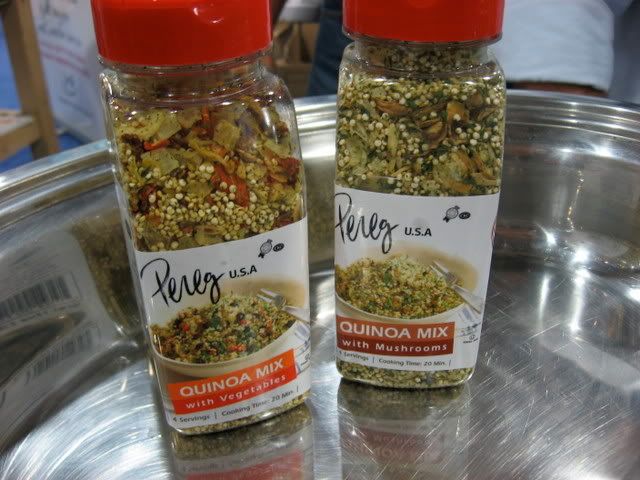
PEREG QUINOA MIXES


Kosher Certification: Badatz Ateret Shalom, Badatz Yoreh De'ah, CRC of the US and Canada, and the Orthodox Union (OU) - Pareve

Info for Special Diets: All products marked gluten-free. Vegan, pareve, no sugar. No visible nut or soy ingredients but I haven't been able to verify that their spice mixture is free of these allergens.

Review: Who needs boring old rice pilaf when you can have all the flavor and texture of a pilaf combined with the unbeatable nutritional profile of quinoa, that legendary "supergrain" that's not really a grain at all? I took this photo at Kosherfest back in the fall. I discovered and tasted and photographed so many new kosher gluten-free foods, and then promptly neglected to ever do a comprehensive post about my discoveries. Oops. Then a few months ago I went to Rockland Kosher, a huge kosher grocery store in Monsey, NY. Among a bunch of gluten-free goodies I found there, they carried Pereg Quinoa Mixes, which I'd tasted at Kosherfest and loved but didn't think I'd find in any stores near me. I bought two different flavors - Quinoa Mix with Vegetables and Italian Style Quinoa Mix. They also make one with mushrooms.

These quinoa mixes come in convenient plastic jars so they can be easily poured for measuring. They contain all natural ingredients, and of course are gluten-free. The ingredients include spices, raisins and dried vegetables - No MSG or preservatives. No rinsing is necessary, unlike with quinoa bought in bulk. Just follow the simple directions on the package and you end up with a fluffy and attractive quinoa pilaf that has a good amount of flavor to it. I love these mixes - Though I make my own quinoa pilafs from scratch, sometimes I just do not have the time to cook. I'm not a fan of plain steamed quinoa, so having a mix like this means I can have a flavorful side dish in a short amount of time without resorting to nutritionally-empty packaged white rice pilaf.

I really enjoy these pilafs and am excited to see them on the American market. My only suggestion for improvement is that instead of following the directions on the package I recommend using vegetable or chicken stock in place of water, to add more flavor to the quinoa. I also recommend sauteing the quinoa in the oil for more than 20 seconds before adding the water.

You can purchase Pereg Quinoa Mixes here or at your local kosher grocery.

Wednesday, November 14, 2007

Kale & Ricotta Stuffed Giant Shells ... and Absent-Minded Food Bloggers


How do the rest of you food bloggers keep track of the recipes you're creating? I have a terrible habit of writing things down as I cook on the back of an old envelope, a piece of mail, a bill. And then I lose them. I would guess I lose track of half the recipes I write down on those random scraps. This is one of those recipes. It was lost for nearly a month. I have finally found it, only to have forgotten many of the "mental notes" I had made about how to write out the recipe. So here is the reconstructed version, put together from messy incomplete notes, my sad excuse for memory, and my instincts (which I trust more than my notes and my memory put together!)

I'm impressed with the Tinkyada Brown Rice Grand Shells. They hold up pretty darn well and are easy to stuff, though I recommend undercooking them slightly and handling them with a little extra care. They're wholesome and they taste great. You could feed this dish to your friends without anyone guessing it's gluten-free. Casseroles are very much fall and winter foods for me, even if they're not made with squash or sweet potatoes. This one is a winner. This is really a tasty meal, and reheats fabulously well. I like to reheat it with a little extra sauce and/or cheese added to it for extra yums. It's a nice way to get some more vegetables and fiber into your (or your vegetable-hating child's) diet.


ALL DRESSED UP AND NOWHERE TO GO:


KALE & RICOTTA STUFFED BROWN RICE SHELLS

[ Gluten-Free / Vegetarian / Dairy / Soy-Free ]

1 package Tinkyada Gluten-Free Brown Rice Grand Shells

FILLING:
1 Tbsp olive oil
2 cups of finely shredded or chopped kale, uncooked
1 1/2 cups crimini mushrooms, minced
1/2 onion, diced finely
2 cloves garlic, minced
4 ounces reduced fat mozzarella, shredded
15 ounces low-fat ricotta
1-2 Tbsp grated parmesan
1 egg, well beaten
1 tsp Italian seasoning
Freshly ground black pepper

SAUCE & TOPPING:
1 cup marinara sauce for under shells
2 cups marinara sauce for over shells
8 ounces reduced fat mozzarella, shredded
Optional: Additional parmesan

Boil shells according to package directions in lightly salted water until al dente consistency. Remove, drain, gently rinse with cold water and allow to cool.

Preheat oven to 375 F. In a heavy pan, heat olive oil over medium-high heat. Sautee onions until translucent, then add garlic and cook for 1-2 minutes. Add mushrooms and sautee until they let off a little bit of liquid. Add shredded kale and sautee until tender. Remove from heat.

In a medium bowl, mash together ricotta, 4 ounces of mozzarella, 1-2 Tbsp of parmesan, spices and egg. When combined, add the sauteed vegetables and mix well.

In the bottom of a baking dish spread one cup of marinara sauce. Stuff each pasta shell gently but generously with the filling (you know it's properly stuffed when some filling should is coming out of the shell) and lay in the baking dish. When you have stuffed all of the shells, pour remaining two cups of sauce evenly over the shells and sprinkle with mozzarella and optional parmesan. Cover with tin foil and bake for 35 minutes. Remove tin foil and bake for additional 10-15 minutes. Remove from oven and allow to sit for at least 15 minutes before serving.

Tuesday, September 18, 2007

Bad news about Chebe products - They are no longer kosher certified

Though I don't usually post about this type of issue on this blog, I am so disappointed about this news that I want to pass the word on to others who may be affected. I just received a response to an e-mail inquiry from Chebe products. All of their products that were manufactured after April 2007 are no longer kosher certified. This means that several of the recipes on my blog, such as my knishes and Jamaican-style spicy turkey patties, are no longer kosher for people who care about their food products being hechshered. This is a real loss for those of us who are gluten-free and keep kosher. I am working on creating a homemade Chebe replacement that will work in these recipes, and perhaps even be an improvement. In the meantime I urge people to encourage Chebe to re-certify their wonderfully versatile gluten-free products by e-mailing, writing, or calling them. You can find their contact information here.

Friday, February 09, 2007

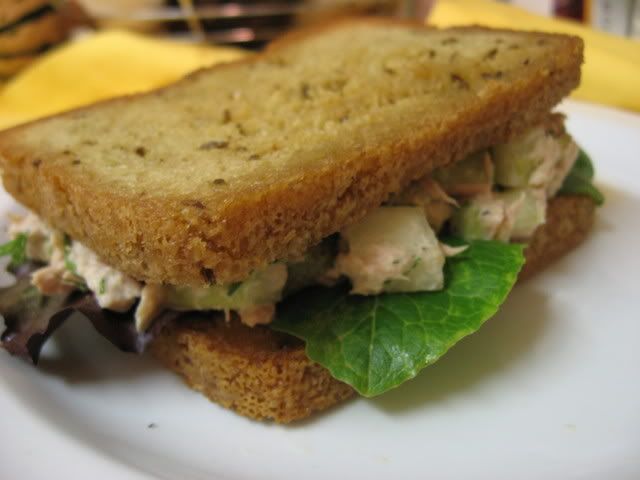
Tuna on Gluten-Free "Rye" Bread

gluten-free rye-less rye bread from enjoy lifeLast Friday I came home to a FedEx package from Enjoy Life Foods waiting on the porch. That sure was a great way to start shabbos! The company made a very smart PR move by sending product samples to a couple of us gluten-free bloggers.

I was skeptical about Enjoy Life Foods Rye-less Rye Gluten-Free Sandwich Bread because I have had mostly negative experiences with Enjoy Life products in the past. I find their chocolate chips to be undersized, chalky, and practically unmeltable... And in my opinion, their cookies do not deserve to be called "cookies." I was also skeptical because of my high standards for rye bread. As a New York Jew I grew up eating a lot of Jewish rye bread. My favorite sandwiches in high school were melted cheddar cheese on Jewish rye, hummus on Jewish rye, or tuna salad on Jewish rye. It was a sad day when I learned that rye contained gluten, and therefore was one more grain I could no longer eat. Back when I was eating gluten I liked my rye bread to have a chewy crust and a soft, squishy center. Most importantly, it must be full of whole caraway seeds. Since becoming gluten-free, my standards for bread have certainly become less strict. But I was pleasantly surprised! Though certainly not the "real thing," the Rye-less "Rye" Bread came a heck of a lot closer to what I remembered than I ever would have expected or imagined. It had the perfect amount of caraway seeds. When well-toasted (careful, because it goes from well-toasted to charred very quickly!) it had a really nice texture and is actually one of the better gluten-free storebought breads I've tasted. It unfortunately does not have the chewy, shiny crust that I associate with rye bread, but I really enjoyed the taste. I can't begin to tell you the joy I felt eating my first tuna on "rye" sandwich in eons.

I'll write about some of Enjoy Life's other allergen-free products (which can be purchased here) at a later date. For now, let me leave you with a recipe for my favorite tuna salad. This is a reduced-fat tuna salad that tastes wonderful on rye bread, real or fake. My favorite way to serve this sandwich is on toasted bread with a slice of tomato, a slice of avocado and some lettuce. A pickle on the side, of course. The chopped pickles and dill are key to the fabulous taste - The more sour the pickles the better (cornichons are great for this). You can try substiting a smaller amount of dried dill if you don't have access to fresh herbs.


TASTY REDUCED-FAT TUNA SALAD


1 (6 ounce) can solid albacore tuna in water
1 stalk celery
2 tablespoons finely diced sour dill pickles
1 1/2 tablespoons mayonnaise (real mayo, preferably Hellman's)
1 tablespoon lemon juice
1 teaspoon Dijon mustard
2 teaspoons fresh dill, minced
fresh ground black pepper (generous amount)

Drain tuna. With a fork, break it up in a bowl into the size and texture you prefer (I like to leave some chunks - others prefer it totally mashed). Add all the other ingredients and stir until fully combined. Serve cold in a sandwich or over a green salad.


Why Passover Is a Gluten-Free Goldmine

Please welcome guest blogger Lisa Mandl of Chicago, who generously shares in this post her many helpful ideas for how Passover can be a boon to all gluten-free folks, whether or not they are Jewish. This is the first of a series of articles, links, product reviews and recipes I will be posting over the next two months to help gluten-free Jews have a happy, healthy, delicious Pesach... and to help non-Jewish people with celiac disease take advantage of the wonderful gluten-free products on the shelves during the Passover season.

A PASSOVER REMINDER
by Lisa Mandl

It's getting close to this time of year again. The first seder may not be until April 2, but some stores (especially Kosher ones) are slowly starting to prepare for Passover and bring in the special food. This is just a yearly reminder that you will be finding some additional food choices in not only Kosher stores, but in regular grocery stores. For those who've been gluten-free for awhile, this won't be anything new, but this information could be very helpful to those newer to the diet.

Passover is a great time for finding new and different gluten-free selections due to the restrictions of the holiday. During Passover, wheat, rye, oats, barley, corn, soy, rice & beans (the last two for Jews from European descent only) and several other foods are forbidden. This makes it possible to go to a Kosher bakery and typically be able to find something ready-made that you can enjoy. I take the opportunity to purchase ready-made salads at the deli counters as well.

Now I say typically and this is very important. One main thing people have on Passover is matzah - this is made of wheat. Also made of wheat is matzah meal (ground matzah), matzah farfel (matzah in small pieces) and cake meal (finely ground matzah). You MUST avoid all foods with those ingredients. You want to keep your eyes open for this Hebrew phrase- "non-gebroktz". This means that no wheat was used and means that any item with that on it is safe for us.

Non-gebroktz is a way the very observant know if a food is safe for them to consume. Matzah is unleavened bread, hence the wheat, and for many, there is a concern that even a drop of matzah could become leavened if mixed with a liquid so they only eat non-gebroktz products for the first seven of this eight-day holiday.

Many companies cater to the needs of those who follow a non-gebroktz diet for Passover and there are cookies, cakes and other great foods available only during this time of year. We don't have to worry about cross-contamination because the companies that make these products have to thoroughly clean everything and/or use completely other equipment for the production of Passover items.

There are a few companies I look forward to getting items from: Lieber's has a large line of products that are safe and even marked "gluten free" (their Kneidel mix is outstanding - think matzah balls, yet better); Paskez - they make a product called Pesach Crumbs (Pesach is Passover in Hebrew) and this takes the place of matzah meal in cooking/baking (I also use potato pancake mix as a substitute for matzah meal); Schick's Bakery in NY makes some mouth-watering desserts - I have no stock, I'm just drooling thinking of their Bon-Bons! Wilton's - they make delicious blintzes - you just have to make sure you buy the box(es) that say non-gebroktz because they make blintzes year-round that are not gluten-free. There are ice cream cones and even ice cream sandwiches that are gluten free. They are delicious and sell out very quickly.

Each year, there are more and more products created to make Passover easier and in turn, it can help all of us who follow a gluten-free diet. So keep your eyes open, you may find a new treat and some ready-made items to enjoy right away or freeze for later. Some of the prices can be really high, but when the holiday ends, they drop the price on whatever's left over because other than us, no one else will want them!

For those with corn allergies, you'll find soda, marshmallows (if you eat these), etc - some say they use "Kosher gelatin" which in my mind is an oxymoron since pigs aren't even Kosher, but it's supposedly from fish bones, gum and other foods.

Again, this is a great time to shop for gluten-free items you just can't get the rest of the year. There are some online Kosher stores, but you'll want to make sure items are non-gebroktz before you order - I haven't done this because I'm lucky enough to have a number of great Kosher stores in the Chicago area.

For those observing the holiday who'd like matzah on their seder tables, you can find oat shmura matzah that is made by a Rabbi from the UK who has a daughter who is a Celiac. I have had it (the last time I bought it it was $18 for a box), I miss oat products, so enjoyed the taste, but just couldn't justify the cost so I haven't bought it again.

Have fun finding new items!

--

Note from Isaiah: The gluten-free oat matzo that Lisa is talking about is Rabbi E. Kestenbaum's Shemura Oat Matzos, which are made from completely gluten-free oats. Start looking for them now, as they may not be easy to find and may require ordering depending on where you live. Here is a list of their distributors. The photo above shows part of the production process of these matzot.

Friday, January 19, 2007

Goat Yogurt from Redwood Hill Farm

I purchased a 6 ounce container of Redwood Hill Farm's Apricot Mango Goat Milk Yogurt at the Berkeley Farmer's Market this weekend. I had enjoyed the Sebastopol-based creamery's fabulous goat cheeses in the past, including their raw goat's milk feta and their smoked goat cheddar. This yogurt, which is both kosher and gluten-free, intrigued me. I am lactose intolerant and somewhat sensitive to casein, but I seem to digest goat's milk and sheep's milk products far more easily than cow's milk. Redwood Hill Farm's website explains that the fat molecules in goat's milk are more easily digestable than cow's milk, and that due to the lactose and casein in goat's milk being structurally different, many people who can't digest cow's milk are able to eat goat's milk.

The first thing I noticed about the Apricot-Mango Goat Milk Yogurt was that it had the extremely creamy, rich texture and taste that I associate with full-fat yogurt. I checked the label to see if I'd purchased low- or full-fat yogurt and was surprised to see that there were actually only 3 grams of fat per serving, though the yogurt is made with whole milk.

Goat's milk yogurt has a distinctive flavor - There is certainly something slightly "goaty" about it- A grassy, slightly gamey flavor which some people will enjoy and others might find unappealing. However, with the addition of fruit, I found the taste deeper and more sophisticated than the taste of regular yogurt but still very pleasant. The fruit on the bottom was not oversweetened, as no additional sugar is added to their products.

I am looking forward to purchasing the plain yogurt in the future, for use in fruit smoothies or Indian dishes.
I can't imagine enjoying it alone without the addition of fruit or other flavors, but it is great to know that there is a yogurt I can use in my cooking that won't make me sick.

To find Redwood Hill Farm's yogurts and cheeses near you, use their store locator. They sell their products nationwide. You can also order bulk quantities through their online store.

Saturday, December 09, 2006

Gluten-Free Joy from Sweden [A Blogging By Mail Update]

When I pulled up in front of my house today I could see a big package sticking out of the mailbox. "Could it be my Blogging By Mail package?" I wondered. Indeed, it was... And it came all the way from Stockholm, Sweden! It felt like what I can only imagine [Christian] kids feel on Christmas morning. I couldn't wait to tear it open. Inside was a lovely note from Kristina of Clivia's Cuisine telling me about Swedish Christmas traditions and explaining in detail the contents of the package:


  • A sweet coarse-grain mustard
  • Dried organic apricots from Turkey
  • A polkagris, a traditional Swedish peppermint candy
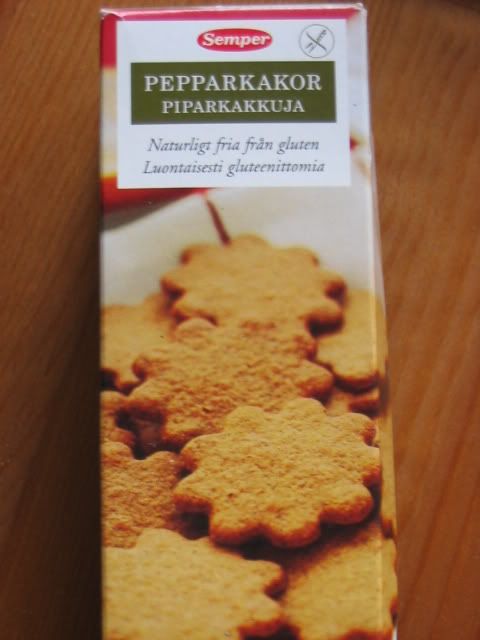
  • A box of gluten-free pepparkakor - Swedish ginger snaps! They are incredibly crisp and full of flavor. I don't speak Swedish but I got the sense from the ingredient list they were made of rice flour and potato flour, but mostly just a whole lot of sugar and margarine. So tasty!
  • Spice mix for making glogg (Swedish mulled wine), as well as Kristina's recipe for making it, and instructions on how to make an alcohol-free version.
  • Loose herbal tea, the ingredients of which I haven't figured out yet - They are listed as Vinbarsblad, Citronmeliss and Abrodd. Anyone know Swedish?
  • A wooden Christmas tree bottle stopper
I have to admit I worried that whoever I was matched with wouldn't understand the "gluten free" thing and would send me lots of things I can't eat. It was such a treat to get a package full of things I can eat. Thank you, Kristina! The package was the highlight of my day, and I can't wait to taste everything. It will be a miracle if the pepparkakor last more than 24 hours!

Friday, November 10, 2006

Gluten-free grilled cheese

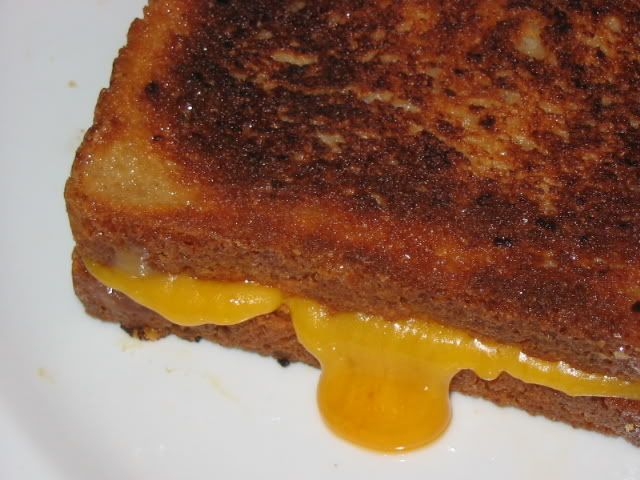
There's nothing like real grilled cheese, made in a pan with extra-sharp cheddar cheese and butter. I only make grilled cheese a few times a year, and for me it is a special occasion truly worth its weight in LactAid pills.

The best gluten-free grilled cheese I've had was made with Ener-G Tapioca Loaf, which runs a bit dry but works well for sandwiches and is amazing when pan-grilled in butter. I hear it's also great for making gluten-free stuffing for Thanksgiving. The second runner up is I Can Eat That bread which is available only in the greater San Francisco Bay Area. It is purchased frozen and has to be baked at home. The sandwich in this photo is made on Food for Life Brown Rice Bread, which has to be well-toasted before using it for grilled cheese, since like most of Food for Life's loaves it has a good flavor but a tendency towards gumminess. I look forward to venturing into the world of breadmaking this winter. I haven't tried baking my own bread yet, and I have a feeling it won't be hard to outdo storebought gluten-free breads!

For a more sophisticated grilled cheese sandwich, I sometimes add a slice of tomato and kalamata olive tapenade.

Friday, November 03, 2006

What do you like on your crackers?

mary's gone crackersI had terrible heartburn yesterday after stupidly eating some tasty nachos for lunch at the new Cocina Poblana location in Emeryville. My digestive tract is like "cheese AND sour cream AND salsa AND pickled jalapenos? You've got to be kidding!" So I barely ate a thing for the rest of the day, and certainly didn't cook. I had one little pumpkin muffin for dinner. That's why I have no recipes or food photographs for you today, but I promise I'll cook (and post) this weekend.

In the meantime, I want to tell you about my favorite crackers: The ridiculously named Mary's Gone Crackers. Guess what? There is no need to be eating those anemic little white rice crackers. They have little nutritional value and are made of refined grains and often have added sugar. Yeah, sure, they're tasty and they're widely available. But if you're tired of them, like I was, there are other options available. Healthier, crunchier options with wholesome ingredients like brown rice, black sesame seeds and flaxseed.

Did you notice those pretty crackers in the salad pictures I posted? The little toasty bits sprinkled on top of the green salad, and the pile of crackers next to the hummus? Those were the Original flavor of Mary's Gone Crackers. They are vegan and kosher. They cost a little more than white rice crackers, but they are far more filling and a box will last you longer.

One of the best things about Mary's Gone Crackers is that they work wonderfully as a gluten-free substitution for croutons. Crumble them into your salad and you'll see what I mean.

I eat my crackers with hummus or, when my tummy's not being sensitive, with slices of sharp cheddar cheese. What do you like to put on your crackers?

Friday, October 20, 2006

Friday's List o' Randomness


  • One of my favorite Bay Area bloggers, who also happens to be a friend, is Poet With a Day Job. Check out her writing, it's smart and funny. She shares well-crafted words about the corporatization of food and drink in Starbucks Is the New McDonalds. If you are like me, you will immediately want to go to Starbucks afterwards, and then will sit at your desk drinking your mudwater coffee with the essence of cardboard, wondering why you did that.

  • You may be someone who avoids buying food products that have biblical quotations on the packaging. Or, like me, you may find said food products particularly intriguing. Either way, Food for Life not only has an adorably animated website... They also make Black China Rice Bread, which is made of whole grains and sweetened only with a little bit of fruit juice. No gluten, no dairy. It is a deep, blackish brown color like pumpernickel bread and is tastier than the other Food for Life breads I've tried - Richer and sweeter, and would taste great alone with a little butter though I've been eating it for breakfast with almond butter and raspberry jam.

  • Lesson from last night's dinner: If you're making a green curry, and the vegetables end up exceedingly mushy from being overcooked... Throw the whole thing in the blender and make it into a creamy soup, and no one will ever know.

  • GlutenFreeGirl's flourless peanut butter cookies are tasty even when made with the wrong kind of sugar AND the wrong kind of peanut butter.

  • Monday, October 16, 2006

    Chilies & chocolate

    Yesterday I ventured over to Cafe Gratitude, for a mid-afternoon slice of "cheesecake." For those not in the know, Cafe Gratitude is the Bay Area's own raw, vegan, 90% gluten-free* restaurant. The cheesecake was pretty tasty, as always... Creamy if not flavorful. The pumpkin pie my companion ordered was excellent. The highlight of the meal was the ginger-beet-kale (etc, etc) juice which delicately combined a number of flavors into a refreshing and tangy beverage. I could have gulped down a gallon, but at $4 for a small glass I made my 6 ounces last as long as possible. I stuck to my promise to only eat desserts and juices at Cafe Gratitude, since my experience of their savory foods was that they are like Drano to my sensitive digestive tract, and a little too mucilaginous for my tastes (must be all the flax seeds).

    While there, I purchased a chocolate bar from the Cafe's gift shop area. The "xocolatl" bar from Dagoba is a dark, gluten-free organic chocolate with cocoa nibs and chilies. You can read a review of it here from someone who is more of a chocolate conoisseur than myself, but suffice it to say it is quite a lovely experience, balancing smooth and crunchy textures, and sweet and spicy flavors I'm finishing it off today at work, and it's inspiring me to look up recipes for chicken mole, my favorite combination of chocolate and hot peppers. Chocolate has far more satisfying applications than mass-marketed candy bars, friends.

    *Though the staff is sometimes misinformed about this, the restaurant uses gluten-containing soy sauce in some of their dishes... So be sure to ask the ingredients of anything you order if you are gluten sensitive!